Youth Perspectives on Climate Mobility and Justice Across the World Voices from Asia-Pacific
“Tell us a story about how you perceive climate mobility in your local context and what justice would look like in this case.”
Justice and Climate Mobility: Education From and To the Grassroots, the Indigenous, and the Underrepresented
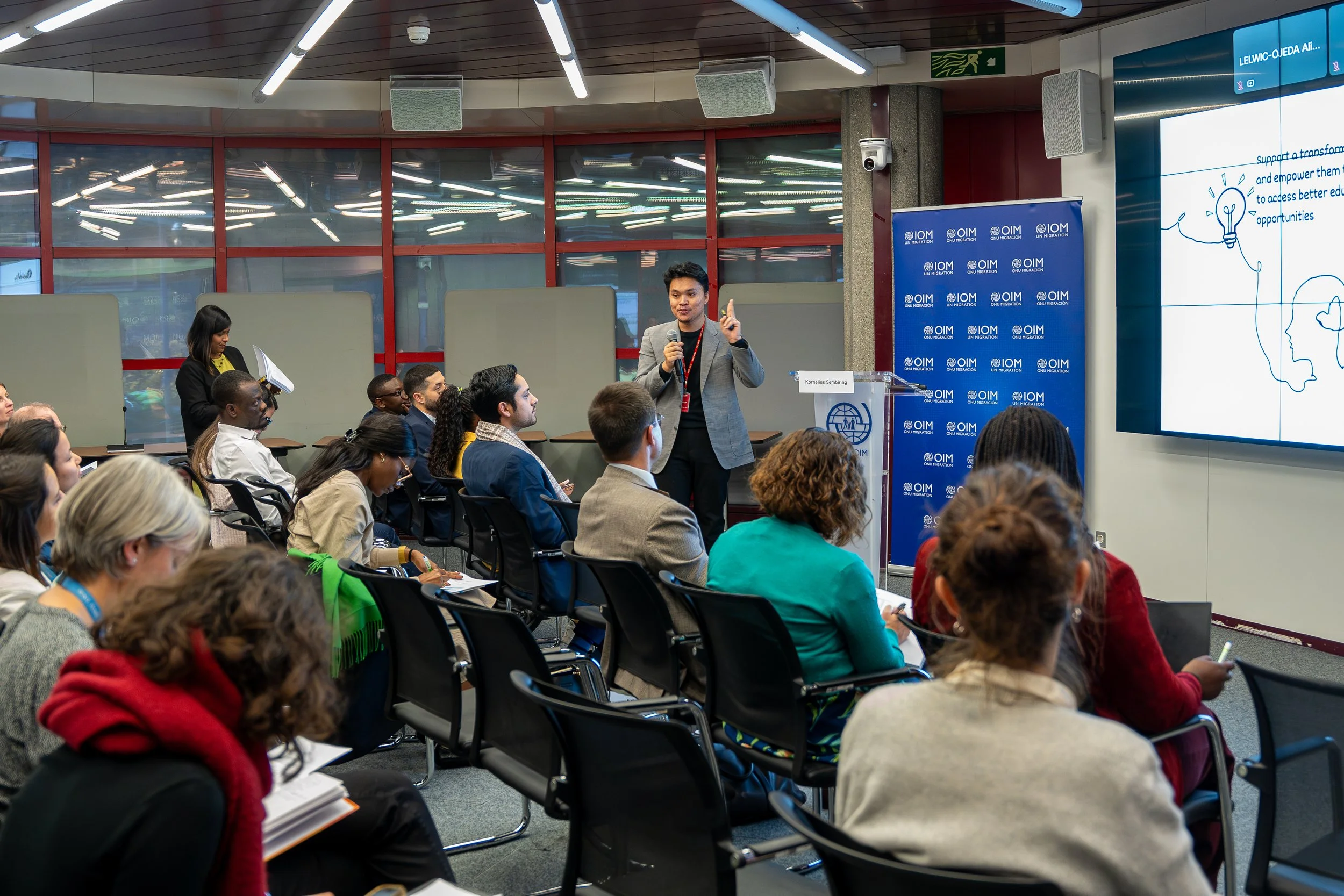
“If there's any movement from any part of the organization in the world, please include us, especially if from developing countries, include our voices, especially grassroots, indigenous, and underrepresented family backgrounds. " — Kornelius Sembiring, IOM Youth Changemaker
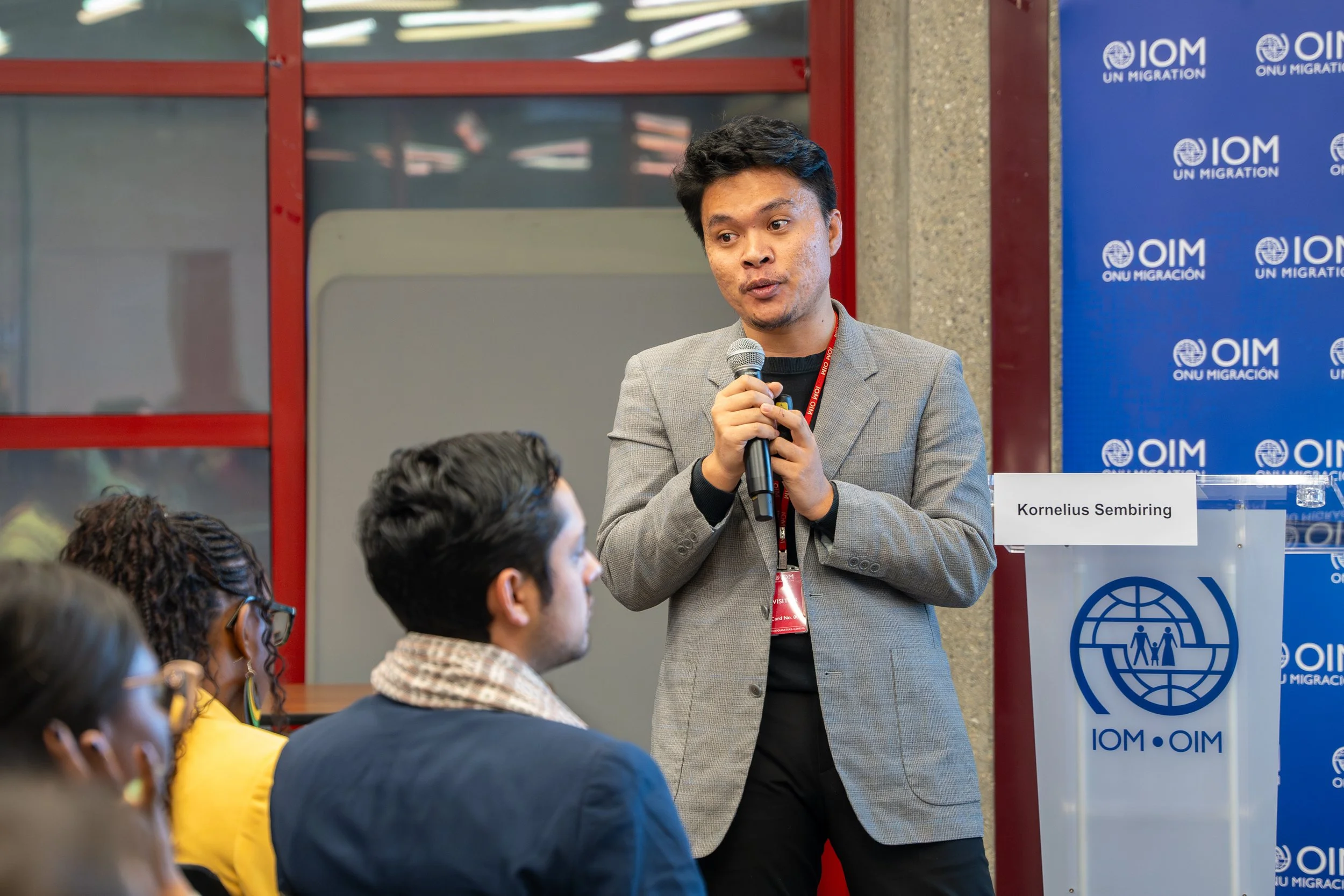
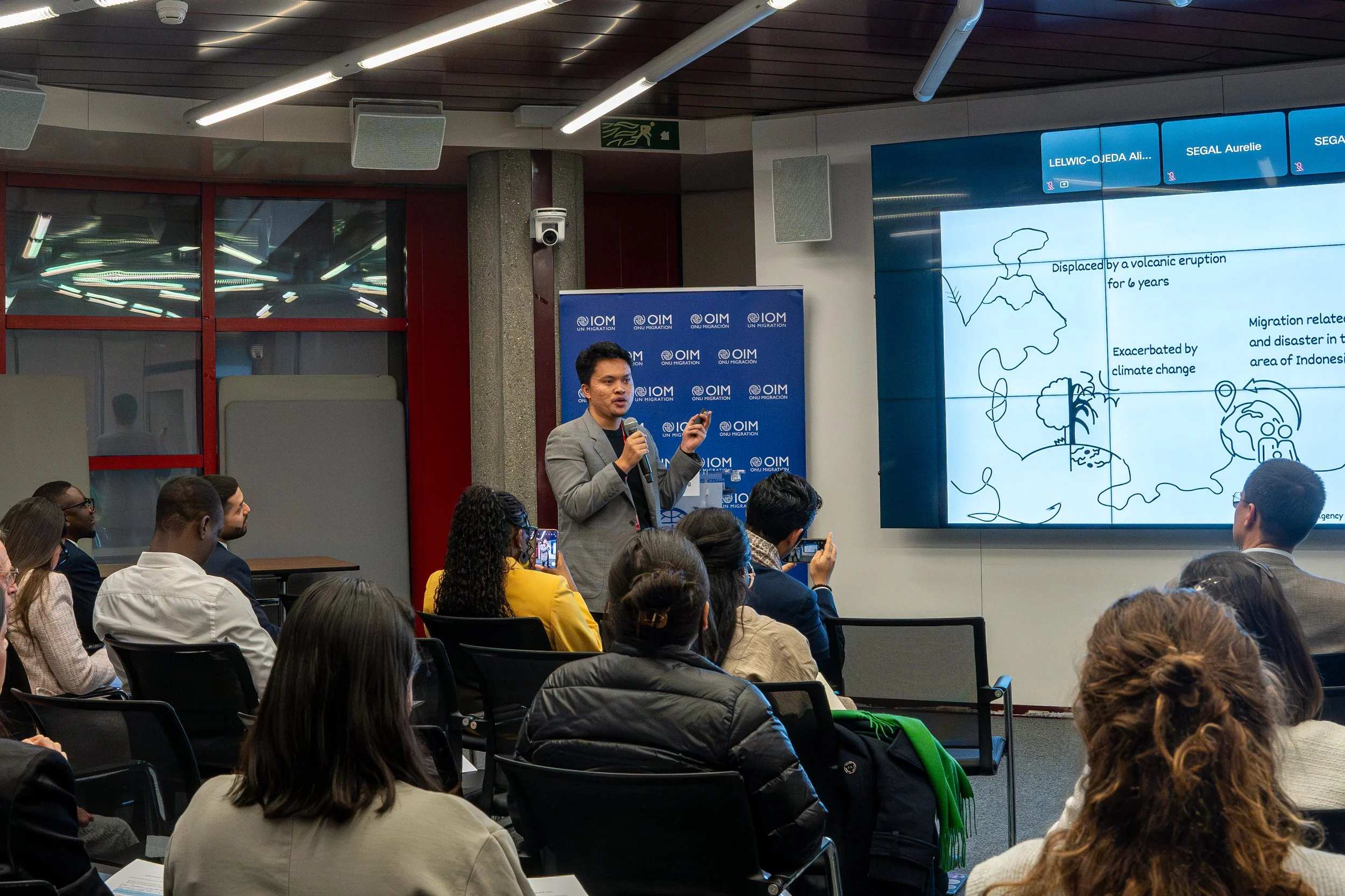
“Why – we planned something in the garden, why do the plants we’re supposed to get change within 10 years? Why is the weather unpredictable?” Meet Kornelius Sembiring, the International Organization for Migration’s Youth Changemaker, who runs several projects starting from his hometown in North Sumatra, Indonesia. His parents are traditional farmers; they know how to read the weather.
The projects he runs are based on what he sees in the environment and people around him, as he and his family are affected by the disaster. At first, he wonders about the causes of weather changes and their impact on agriculture, until he eventually learns why agricultural products are not developing well. It is climate change that changes everything – it is driven by the gas emissions we produce.
“It is unfair that traditional farmers face the greatest risks, while major contributors to emissions are less directly impacted.”
Farmers only produce little gas emissions, as most gas emissions are emitted by developed countries, mining, and other big industries. His parents, who put hope in the small gardens they have in villages to fulfill basic needs, don’t have money to get what they want; it’s not fear, Kornel needs to voice about it and speak about it. The situation is terrible for Indigenous peoples like us.
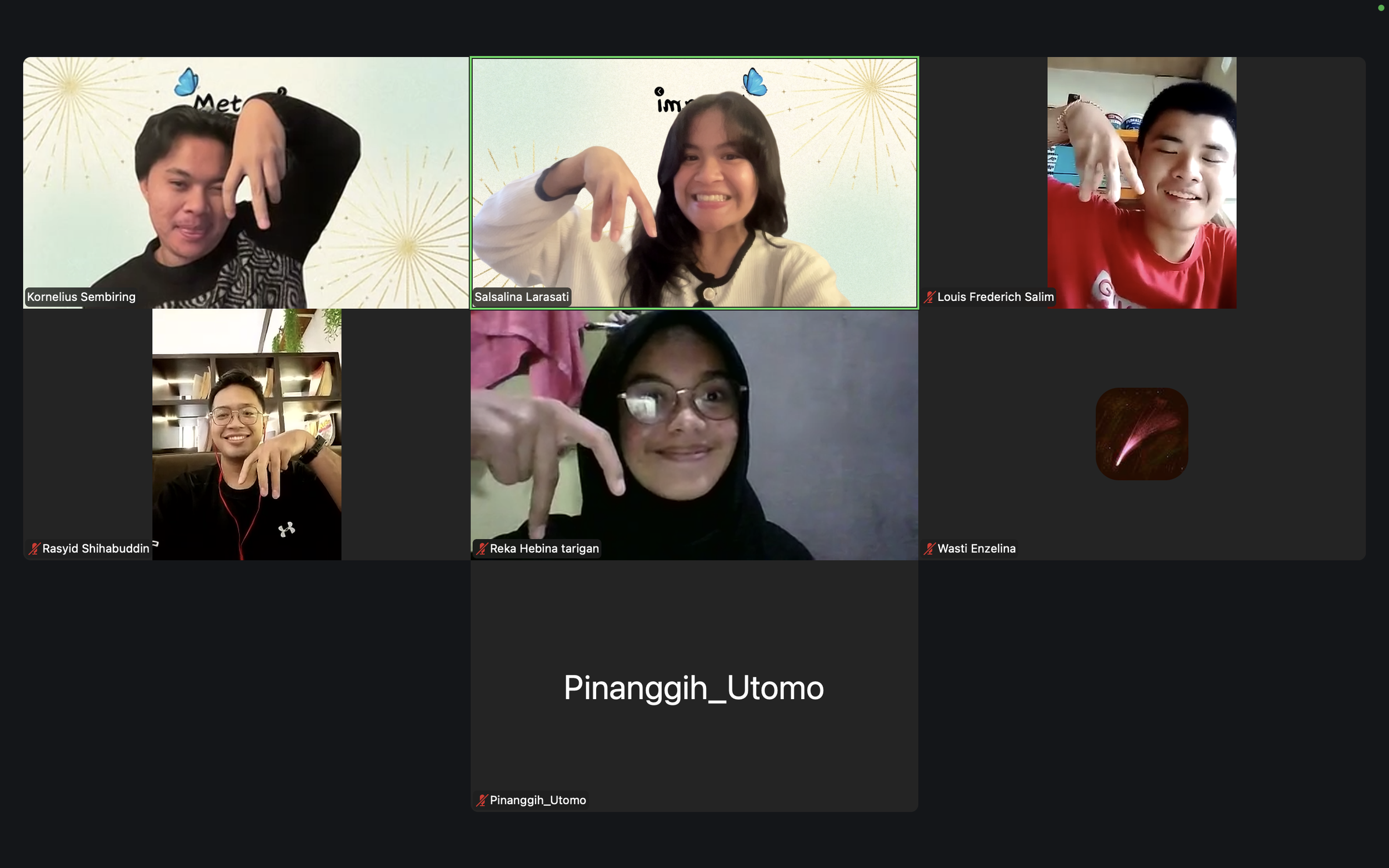
Kornelius made his first project, Karo Juara, by helping affected young people to understand their rights amidst climate change. This educational approach supports young people in educating parents about climate change. He extends his advocacy by helping affected young people to move from places that are no longer livable through his mentorship project at Metami Project. To Kornelius, climate mobility is within the right of affected people to have a better life in another place.
“I want to make victims of climate change aware that they are also victims. It is a complex issue, and responsibility is difficult to trace clearly; it’s complex – we don’t know when we started. There are still people who don't believe in climate change, especially in areas where access to climate education and information is limited.”
To Kornelius, justice in climate mobility means education. Education in which people validate that they are facing a big problem of being affected by climate change, which leads to the need to teach affected people how to adapt, changing the way they live. That is his goal for his parents, people in his hometown – climate mobility shall be used for a reason for better life. For many people, especially for grassroots, indigenous people living in an underrepresented status, they are unaware that they are actually victims of climate change.
In their belief, climate change is because of God’s performance, “God made the weather unpredictable, God made flooding, or beliefs based on village – something traditional, such as ancestral madness.” While cultural beliefs are valid, he wants more people to understand beyond ancestral reasons, but rather because climate change is already affecting the life and hope they plant in their lands. Once agriculture, which is the dominant job they have, fails, they will not yield money to buy food – even as simple as fulfilling their basic needs, as he witnessed his parents experiencing that.
“If agriculture isn't working, we've got no money for 6 months, as we need to really take care of that plant. The right we gain should be justice. Even when it’s complicated, we need to know we’re affected.”
Justice means education; we can work together, bring awareness, give a sense of empathy, support them to do something – perhaps talk to governments, tell stories for scholarships, go to conferences to represent our community, and speak about it. At least in Indonesia, representatives from Indigenous and underrepresented families are gradually increasing. Even when it may not be the priority, attempts at discussion in governance still increase, as Kornelius, because of the awareness that people are affected.
When we talk about climate mobility among grassroots, underrepresented, and indigenous people, world leaders will not be entirely silent; they can take action. As youths, we can talk about climate migration, links between climate change and migration, and justice. People also forget – as a part of IOM Youth Changemaker, there are a lot of people, especially in tropical countries like Indonesia, who try to move, but they don't know where to move, as they receive certain intolerance and actions from people from the place they want to move – a topic Kornelius included in Metami Project that being a person mobilizing because of climate change is not easy.
“Let's say if conflict migration, people can see it, you move because of that conflict. But if we talk about climate change as a climate migrant, it’s tough, but people don’t understand that – it’s to the situation that people living in the place where climate migrants want to move, they’re scared of climate migrants.”
Climate migrants should be aware that educating people is important. Not just on land, but those living around the sea. Knowing the situation, having knowledge, and understanding how to handle the situation are crucial. Kornelius's friends in Metami find it difficult to move to new places in regions where their hometown is no longer livable because of the volcano, their parents' agriculture fails, and they face many conflicts in the process of moving. It’s complicated for them to settle down in new places. His message to the world is to include the voices of those from grassroots, indigenous, and underrepresented family backgrounds.
In the context of Indonesia, it is not limited to Java and Bali, but it is also about Papua, Maluku, Aceh, Nias, and thousands of islands that ensure all voices shall be heard, not only centered in one place. Indonesia is big, and there are a variety of problems related to climate change, not just what Kornelius witnesses in his hometown. For example, a friend of Kornelius addressed that the percentage of marriages post-disaster increases because they think marriage is a solution to get money for what they believe.
“I get sad about it because they get married before their 20s, we need to change that. It won’t happen if it doesn’t start from us; that’s what they need. Sometimes the internet doesn’t work at their houses. Including them and ensuring that information is well-received will be very helpful.”
In a broader sense, in developing countries, climate migrants may move because of agricultural failure, flooding, or they move to cities. In cities, they may live in areas that are not well-maintained, where they can experience another flood. It is climate migration and climate change effects that happen. Their status is that of an underrepresented family who seeks hope by moving, but once that hope fails, they have nothing. Unlike in developed countries, people have more options, different from those of the underrepresented. If they have no awareness, they move from one climate change effect to another as they have ancestral beliefs.
So, education is essential as these beliefs rise from the fact that not all of them know where to talk about these concerns, which shall increase the agency of the government.