Youth on the Move
The mentorship programme for Youth on the Move UNV aims to support the UNV’s by providing structured guidance and professional development.

The programme lasts 12 months, with the first 2 months dedicated to orientation through peer buddies. After this, UNVs are assigned a peer mentor for 6 months, with evaluations every 3 months to assess progress and determine whether they wish to continue or change mentors.
Key Responsibilities of Peer Mentors
-
Providing Pastoral Support
Mentors serve as a trusted confidant for mentees, offering guidance on professional challenges and personal development. While they are not therapists, they help mentees navigate challenges and refer them to professional support when necessary.
-
Supporting Personal & Career Development
Mentors assist mentees in setting and achieving professional goals, utilizing structured tools like the Peer Mentoring Worksheet. They also help mentees build professional networks by offering connections and advice.
-
Sharing Knowledge & Experiences
Through group sessions and office hours, mentors exchange insights from their own expertise, allowing mentees to engage with professionals in various fields.
Meet our Mentors
-
![]()
Ayobami Emmanuel Omolusi
Ph.D. Student
-
![]()
Latjor Wuon Lat Dak
Refugee & IDP Education Innovator
Founder & CEO at SSYLNET Organization -
![]()
Christian Baobab
Communication Officer at Hubs for Connected Learning Initiative, Storyteller and Founder at SMOVEE.APP
-
![]()
Clement Ngosong
Youth Development Consultant. Founder, Impact Axis
-
![]()
Basakana Agnes
Youth, Gender and Legal Advocate
-
![]()
Bonkey Muhumure
Regional Manager, Importance Leadership.
-
![]()
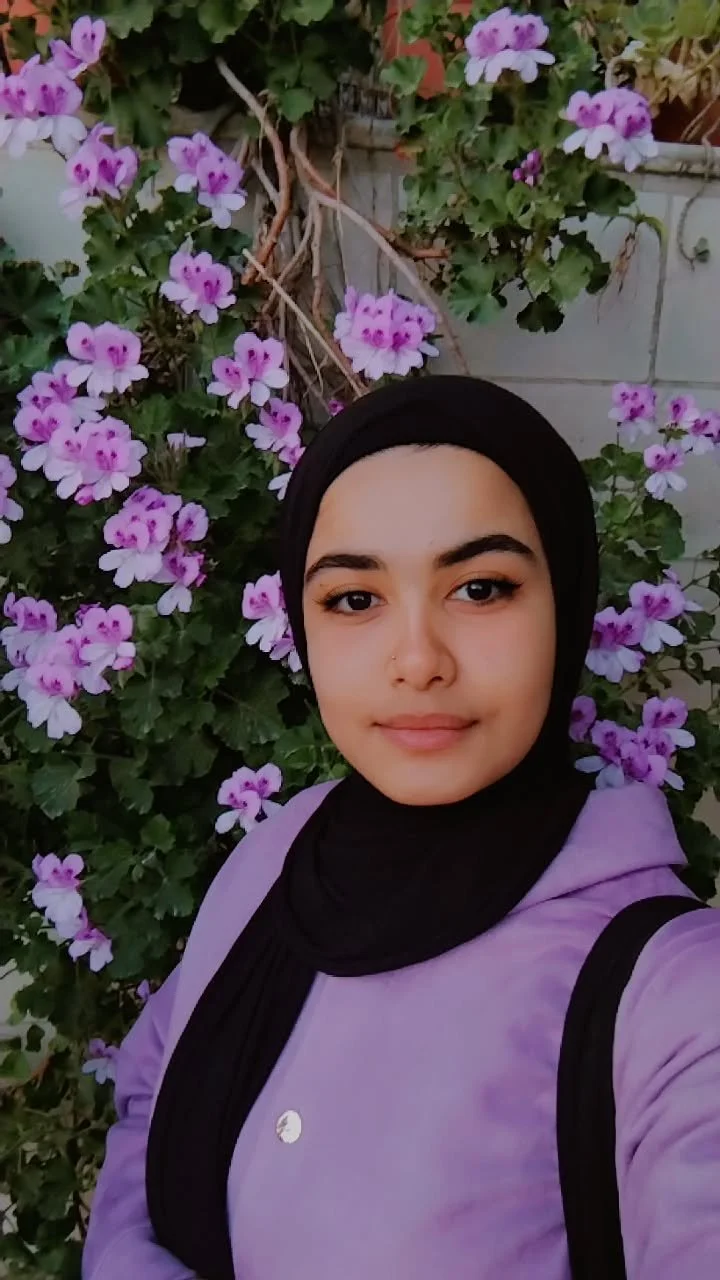
Kateryna Horban
Peer Mentor
-
![]()
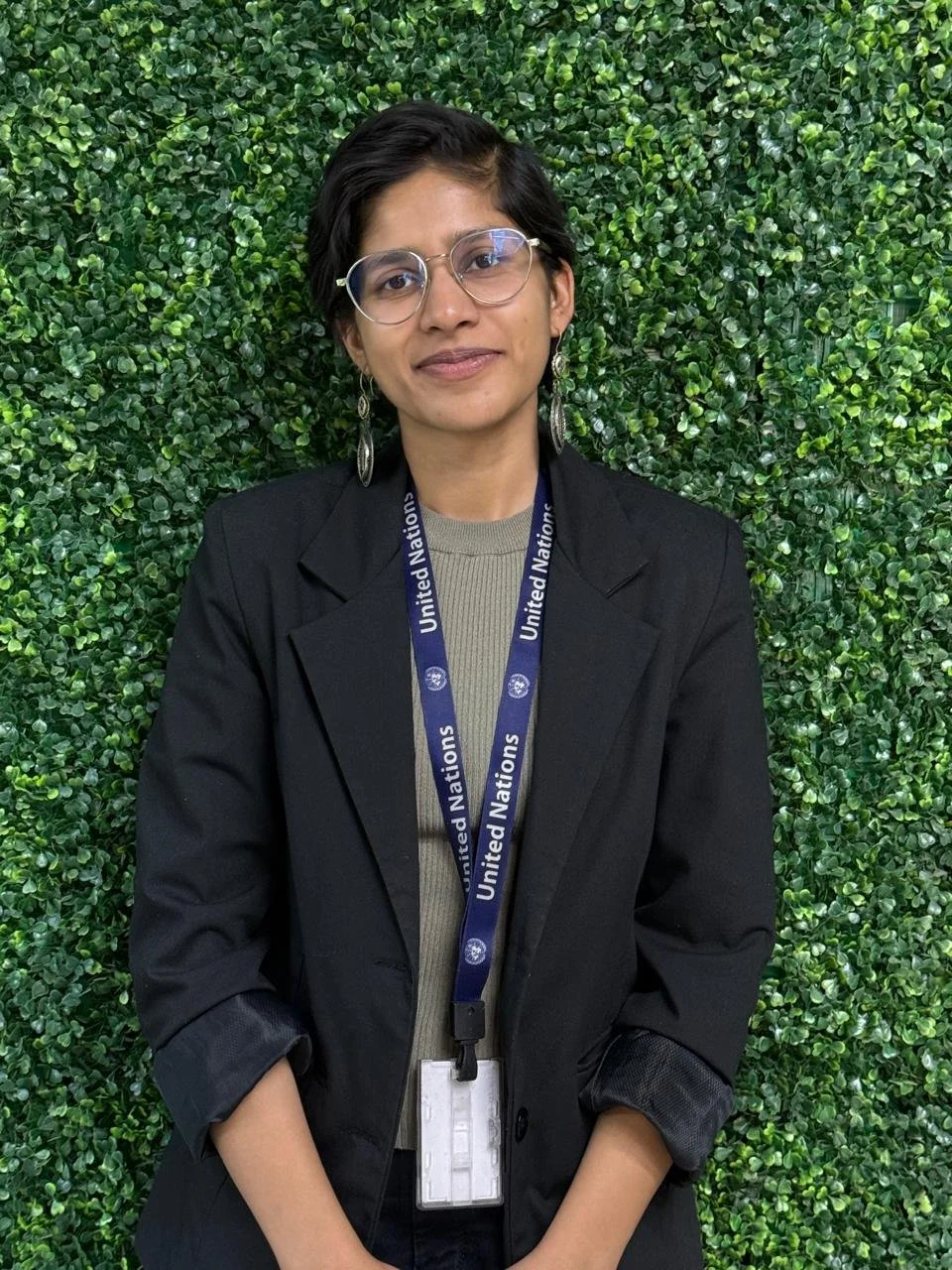
Jigyasa
Peacebuilding and Migration Specialist
-
![]()
Nasia Skarlatou
EU Affairs Associate
-
![]()
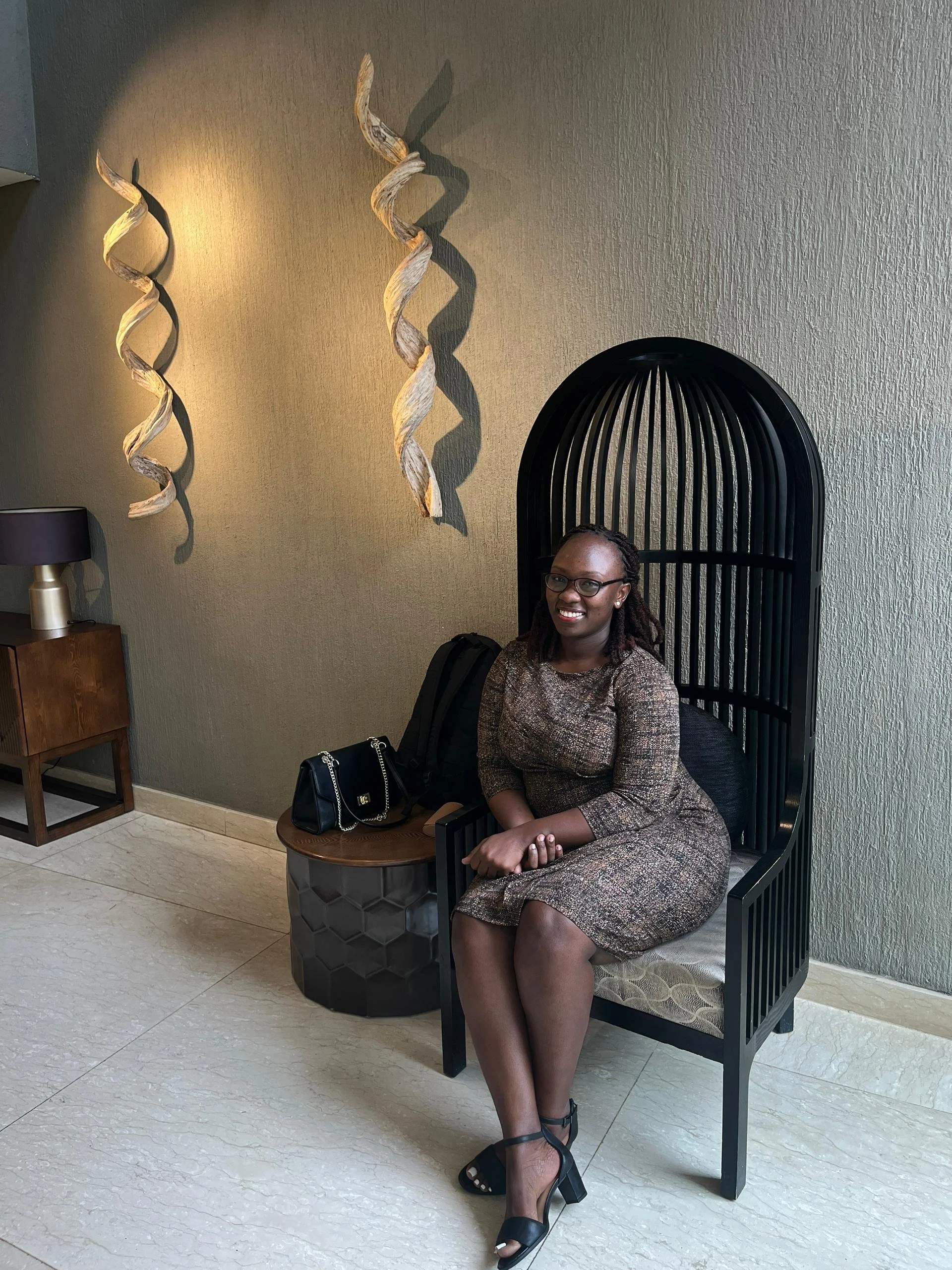
Chukulisa Adi
Social Work & Mental Health Champion
-
![]()
Wissal Chafik
International Development Specialist
-
Sofia Ahuja
International Relations Student and Social Worker







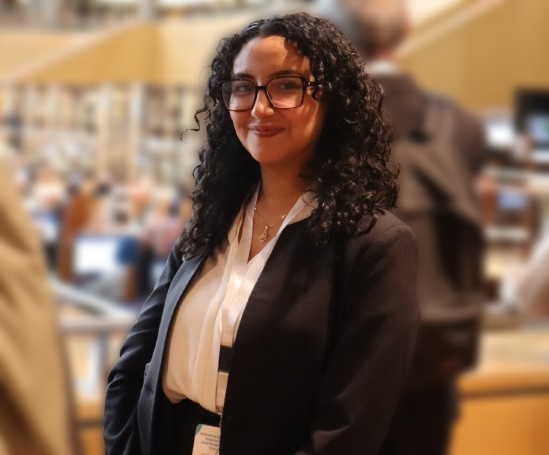

Mentors are encouraged to maintain professional boundaries and create a comfortable space for their mentees. The goal is mutual growth, helping mentees prepare for future careers while fostering a long-term professional relationship. If mentors face challenges, they can seek guidance from the mentor coordinator.
Meet some of our peer buddies
“Becoming a Peer Buddy has been an incredibly enriching and meaningful experience. It has helped me grow not only as a mentor but also as a listener, learner, and leader. Guiding my fellow mentees through their own journey has reminded me of the power of empathy, patience, and small steps. Even when progress feels subtle, the consistent support we offer each other makes a real difference.
This role has taught me that being present is just as valuable as having all the answers — and that genuine connection creates space for growth on both sides.”
Kateryna Horban

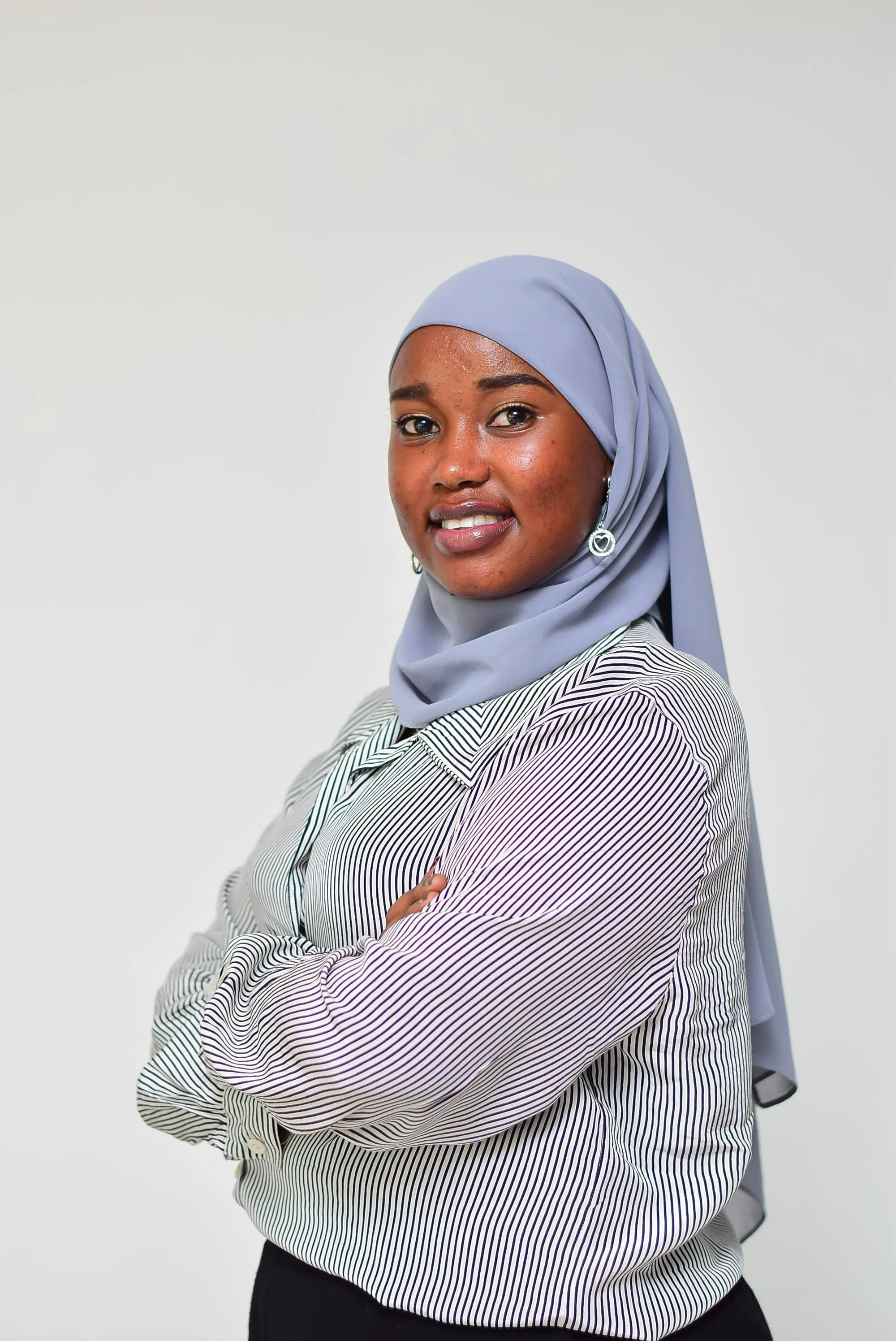
“Being a peer buddy was a great experience. I learned how to support someone in a thoughtful and supportive way. It helped me improve my listening and communication skills. I also had the chance to reflect on my own experiences and see how important peer support is. It was nice to connect with someone and share ideas. This experience made me feel more confident and comfortable offering guidance to others.”
Idil Mohamed Ahmed Ali
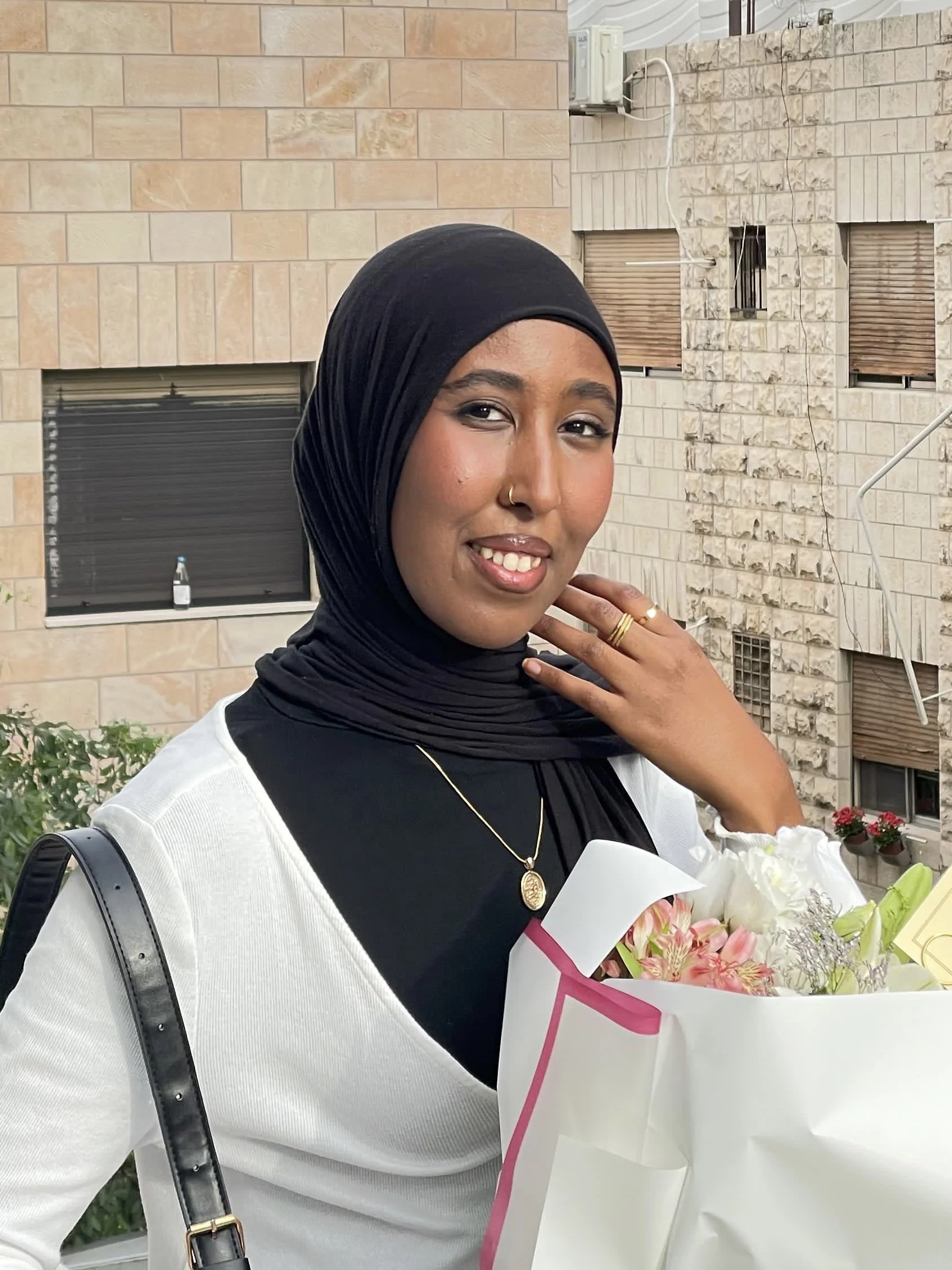
“The peer buddyship was not only an opportunity to reconnect with the work I had done when I was a YOM myself, but a reminder of how fortunate I once was and how much growth it has brought to me. Most of my sessions with my mentee turned into brainstorming sessions on ideas and projects that came up in her work. For her, I was like a human Frequently Asked Questions Library, and for me, she was an inspiration and a picture of who I used to be when I was in her place, an active and curious mind, eager to discover, learn, and innovate.”
Christian Baobab
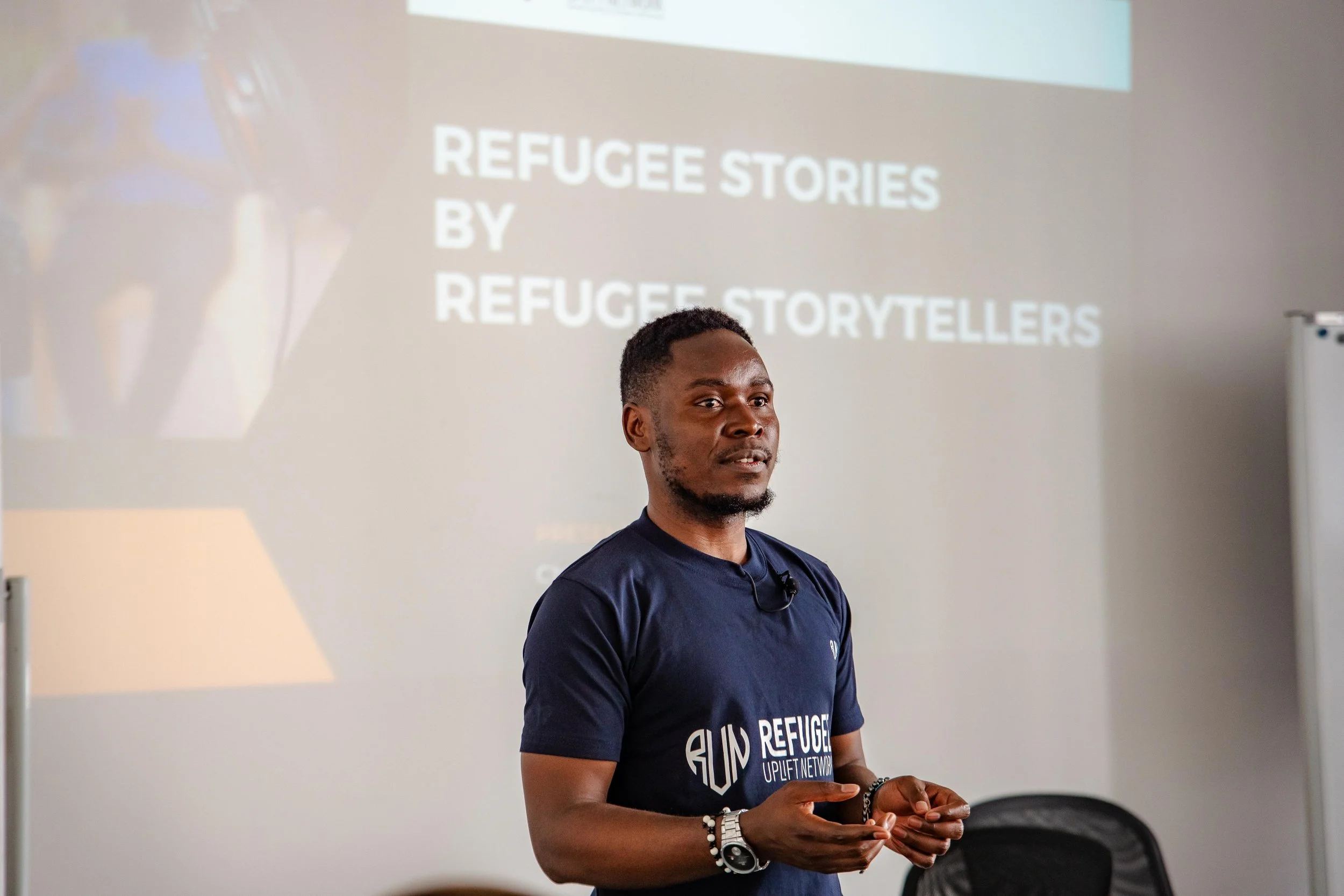
“Being part of the MYCP community as a peer buddy was a truly transformative experience for me, not only in how I supported my fellow, but in how I grew as a person.
Throughout our mentorship journey, my fellow was cooperative, open, and motivated. She shared her challenges with honesty and showed deep commitment to her work despite the overwhelming responsibilities she had — from her studies and personal projects to her leading role at the Kakuma office. I admired her ability to keep going even when time and resources were limited. One of the things I appreciated most was her willingness to improve her communication skills and connect with others in her community.
We faced real obstacles, like lack of time and staff support, but we worked together to find small solutions — like creating a flexible timetable and reaching out to MYCP team members for help.
One of the most rewarding moments for me was when she started a small group of girls to engage teachers and help keep girls in school — it was a simple yet powerful act that gave me hope.
This experience taught me that being a peer buddy is not about having all the answers, it's about being present, honest, consistent, and respectful. It’s about meeting people where they are, not where we want them to be.
Through this role, I learned to be clearer in my communication, to listen without judgment, and to use my own challenges and lessons as tools to support others. I’m grateful for the chance to contribute, to witness growth, and to walk with someone, even for a little while on their path.”
Sarah Alsubayai